
INITIA Chofu Station Site
Tatsuro Sasaki
2026 | Chofu City, Tokyo, Japan | Extrusion | Quantity 400m²
—— Please tell us about the design concept for the space. Where in this space did you use the tiles?
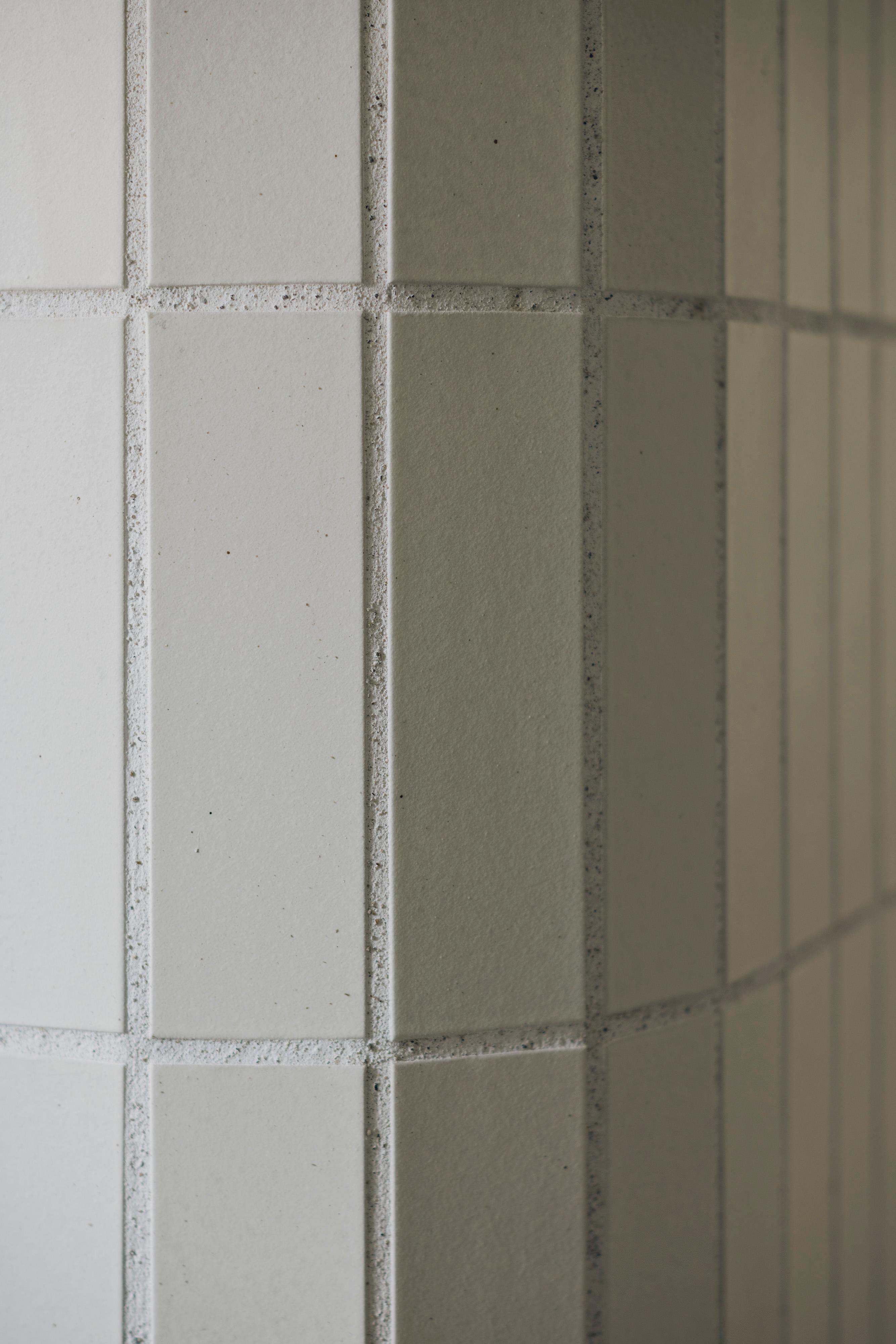
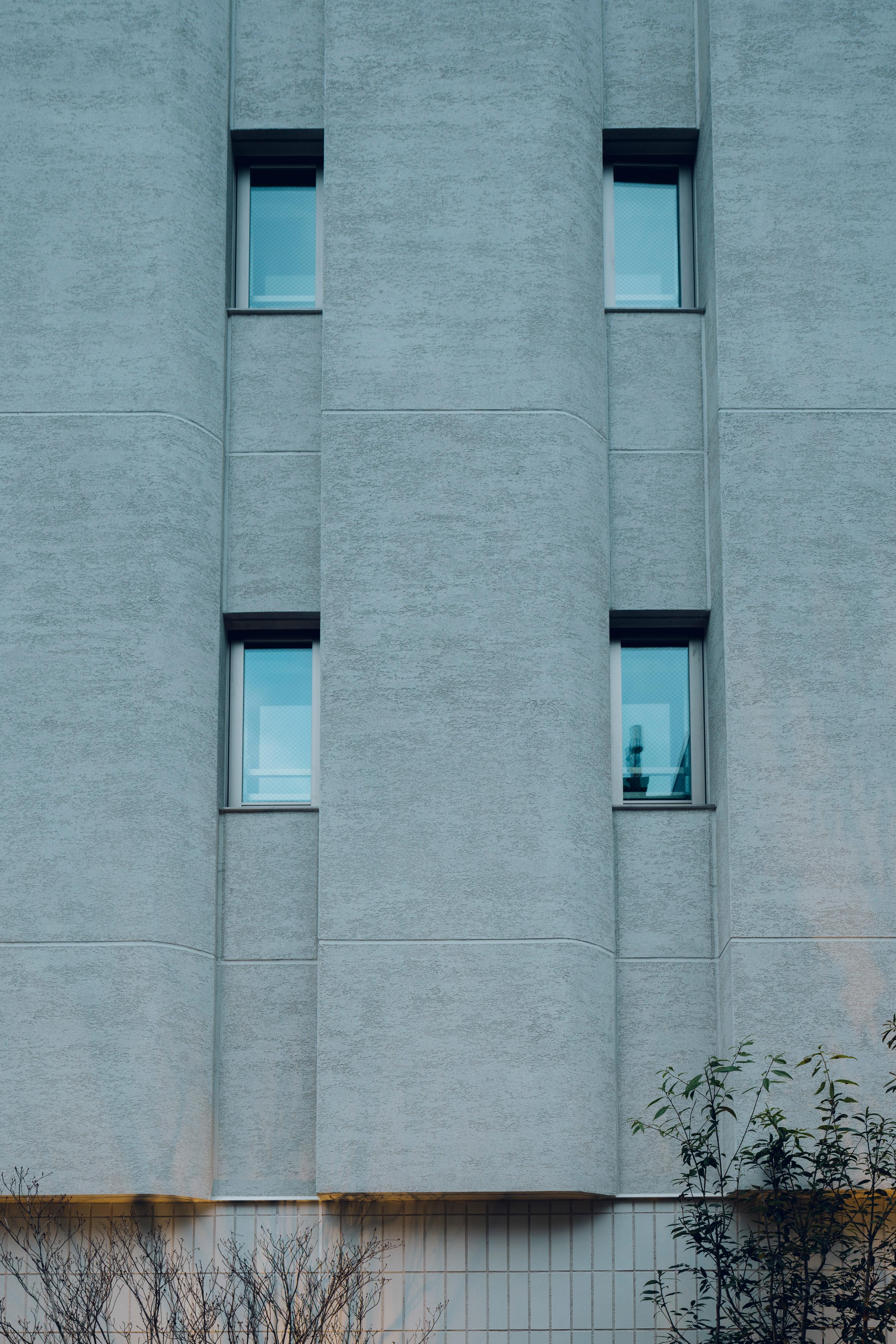
For this project, I designed the entire building as a 'landscape that evolves with time.' Rather than presenting the architecture as a single, large mass, I aimed to create a rich space through the gathering of small elements. By incorporating gentle curves, I designed the space so that light flows softly, allowing the structure to reveal different expressions depending on the time of day and season. Tiles are used in areas that create the building's first impression, such as the entrance and common areas. By applying them to wrap around the curved surfaces, they capture the shifting light and shadow, serving as a crucial material that lends a soft expression to the architecture as a whole.
—— Please tell us about the tiles created for this project. Feel free to share the design concept, what you intended to express through the tiles, the functions you aimed to incorporate, and any specific details you focused on.
For these tiles, rather than focusing on the design of individual pieces, I prioritized the overall expression of the architecture that emerges when they are assembled. A natural landscape is composed of countless leaves and trees; up close, each has its unique characteristics, yet from a distance, they are perceived as a single, unified scene. I believe the process of creating a space with tiles is very similar. Therefore, rather than aiming for a uniform finish, I embraced the subtle variations and nuances in the glaze caused by the firing process to give each tile a distinct expression. When applied to a curved surface, each tile delicately catches the light, producing different architectural expressions in the morning, noon, and evening, and across the seasons. Architecture is not finished the moment construction is completed. It continues to change its expression over time, eventually becoming a landscape that lingers in people's memories. I believe tiles are a highly attractive building material precisely because they can gracefully embrace these changes.
—— Q4. What kind of image do you have of "tiles" as a material?
For me, tiles are like the smallest building blocks of architecture. A single tile cannot complete a structure on its own, but as they come together—each with its own subtle variations—they create depth and a rich, collective expression across the building. It is a material that does not seek uniformity; rather, it allows us to build a landscape by embracing these small differences. This, I believe, is the unique charm of tiles as a material.
—— Do you have any personal memories or anecdotes related to tiles?
During my student years, as I visited numerous buildings, I noticed that the most memorable ones often used captivating tiles. Up close, you could see the texture of each piece, the fluctuations in the glaze, and the unique expressions characteristic of ceramics; yet as you stepped back, those elements came together to form a single, unified landscape that defined the impression of the entire building. I remember being strongly drawn to this shift in the scale of perception. Both architecture and nature are formed through the accumulation of small elements, and this philosophy remains at the foundation of my designs today.
—— Please share your thoughts about the experience of actually producing the tiles. What do you see as the unique characteristics or strengths of Tajimi as a tile-producing region?
For this project, rather than repeatedly creating prototypes from scratch, we reviewed numerous physical samples until we arrived at a texture we were satisfied with. Tiles are a material with many elements that can only be accurately assessed in person—not just color and shape, but also the nuances of the glaze, the subtle fluctuations from the firing process, and how they appear when catching the light. That is precisely why we picked up each piece individually, verifying the impression they would create on curved surfaces and how the architecture would look as a whole from a distance as we made our selections. I believe Tajimi’s strength lies not only in its high technical capabilities cultivated over a long history, but also in its ability to provide optimal suggestions that align with an architect's vision, based on a wealth of samples and accumulated knowledge. Architecture is never completed with just a single material. However, the texture and expression of tiles significantly influence the overall impression of a building. I felt that the environment in Tajimi, where we could make decisions while confirming even the finest nuances with physical objects, is a tremendous strength of the production region.