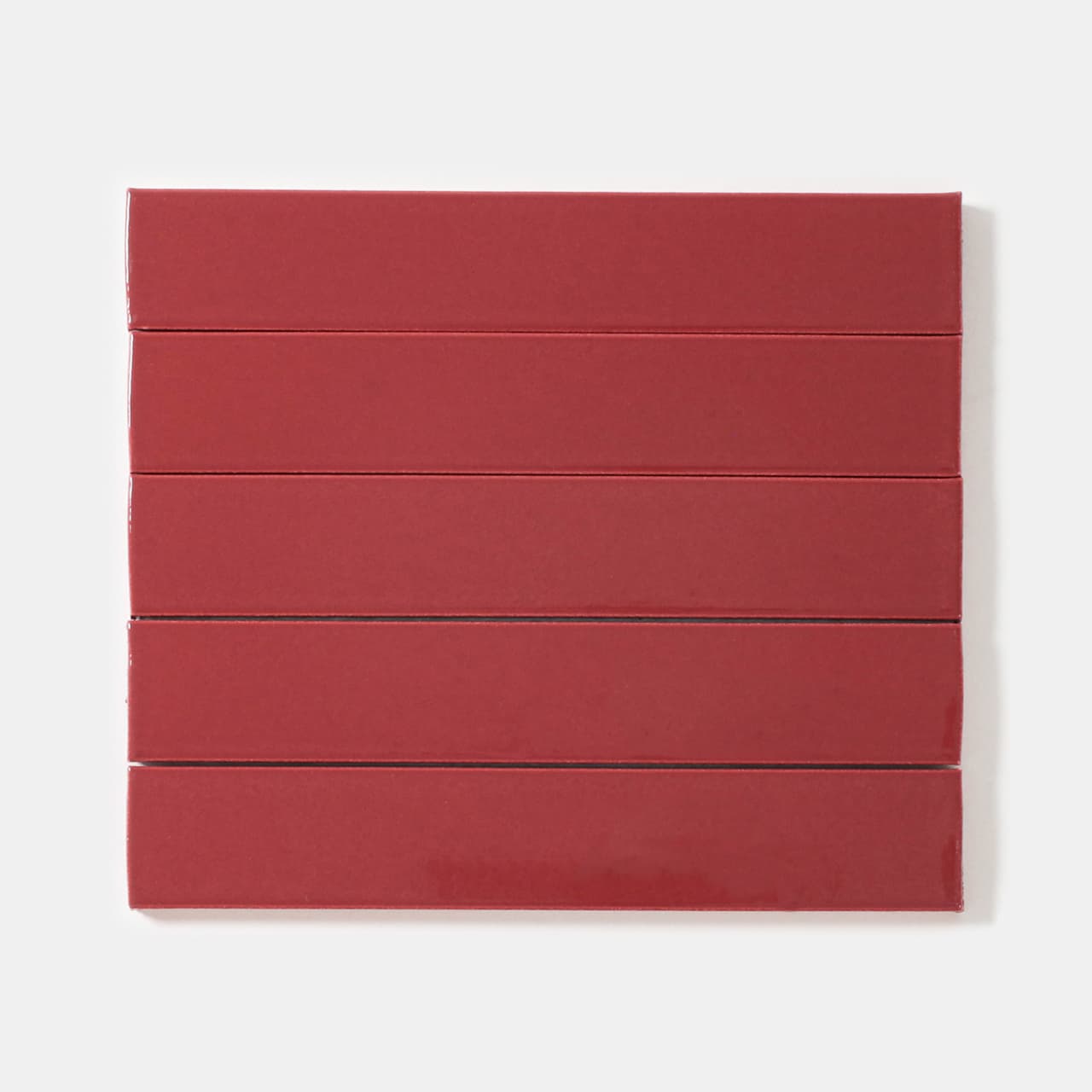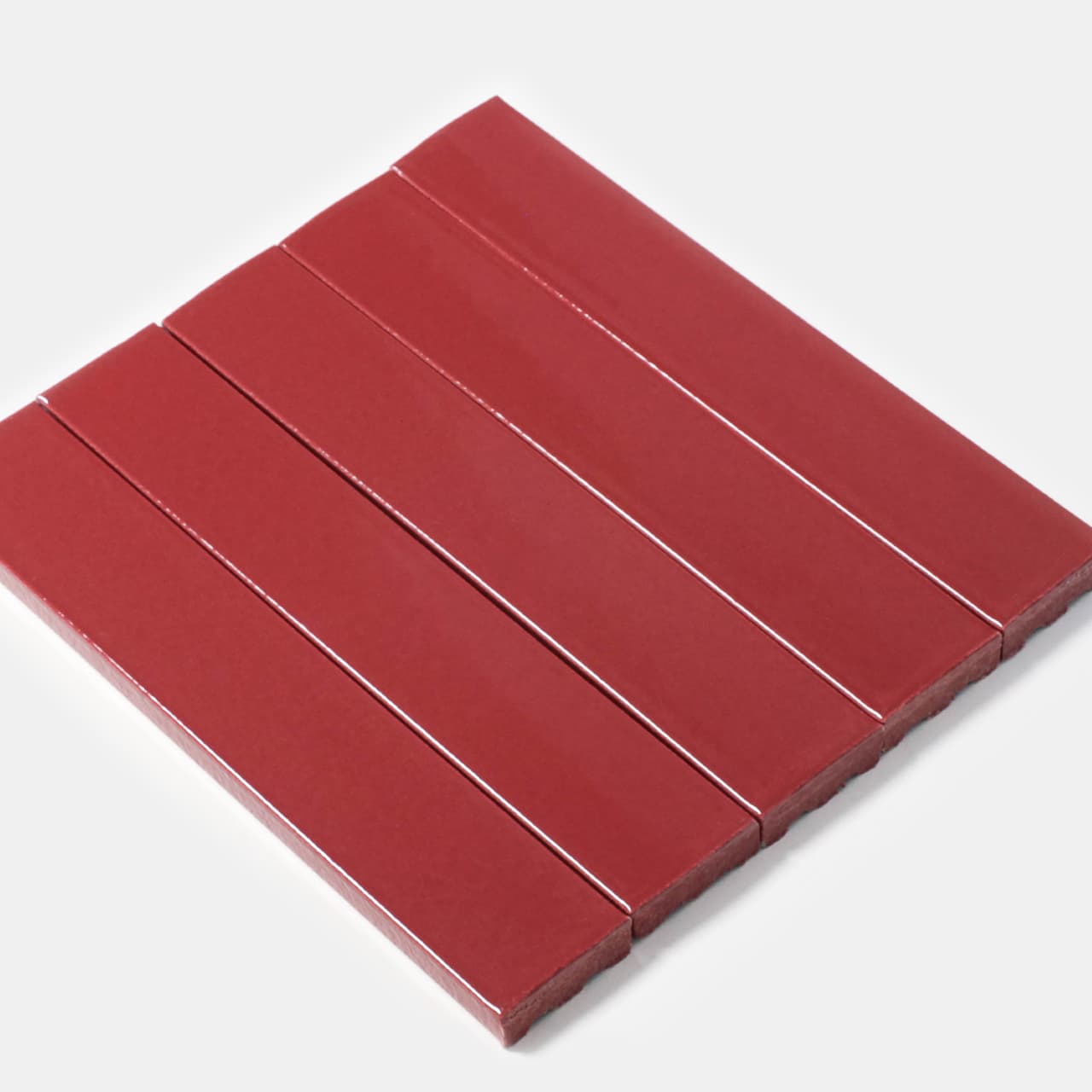

THE CONRAN SHOP TOKYO
The Conran Shop
2023 | Tokyo, Japan | Extrusion | Quantity 57m²
—— Please describe the shop and the concept behind the spatial design.
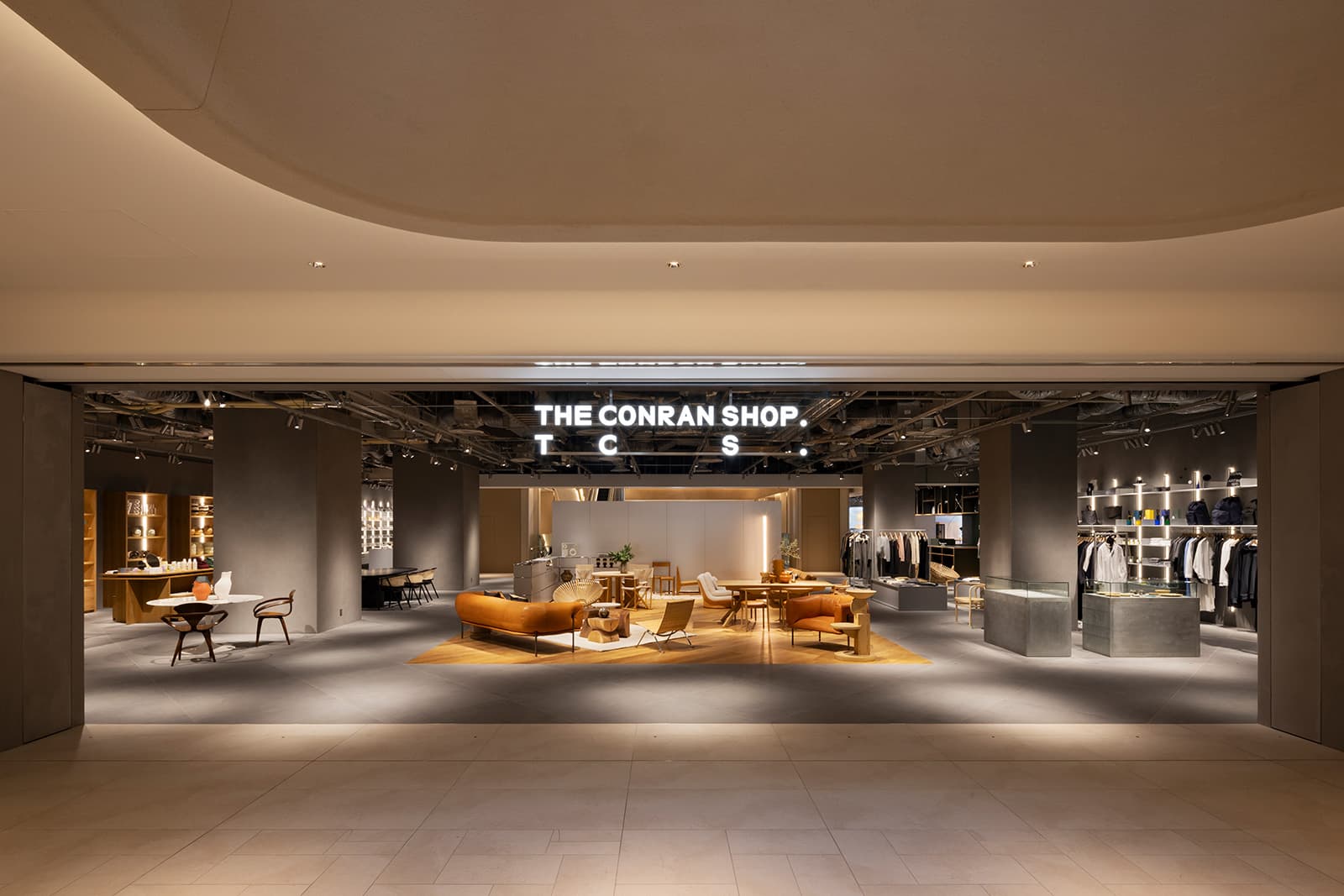
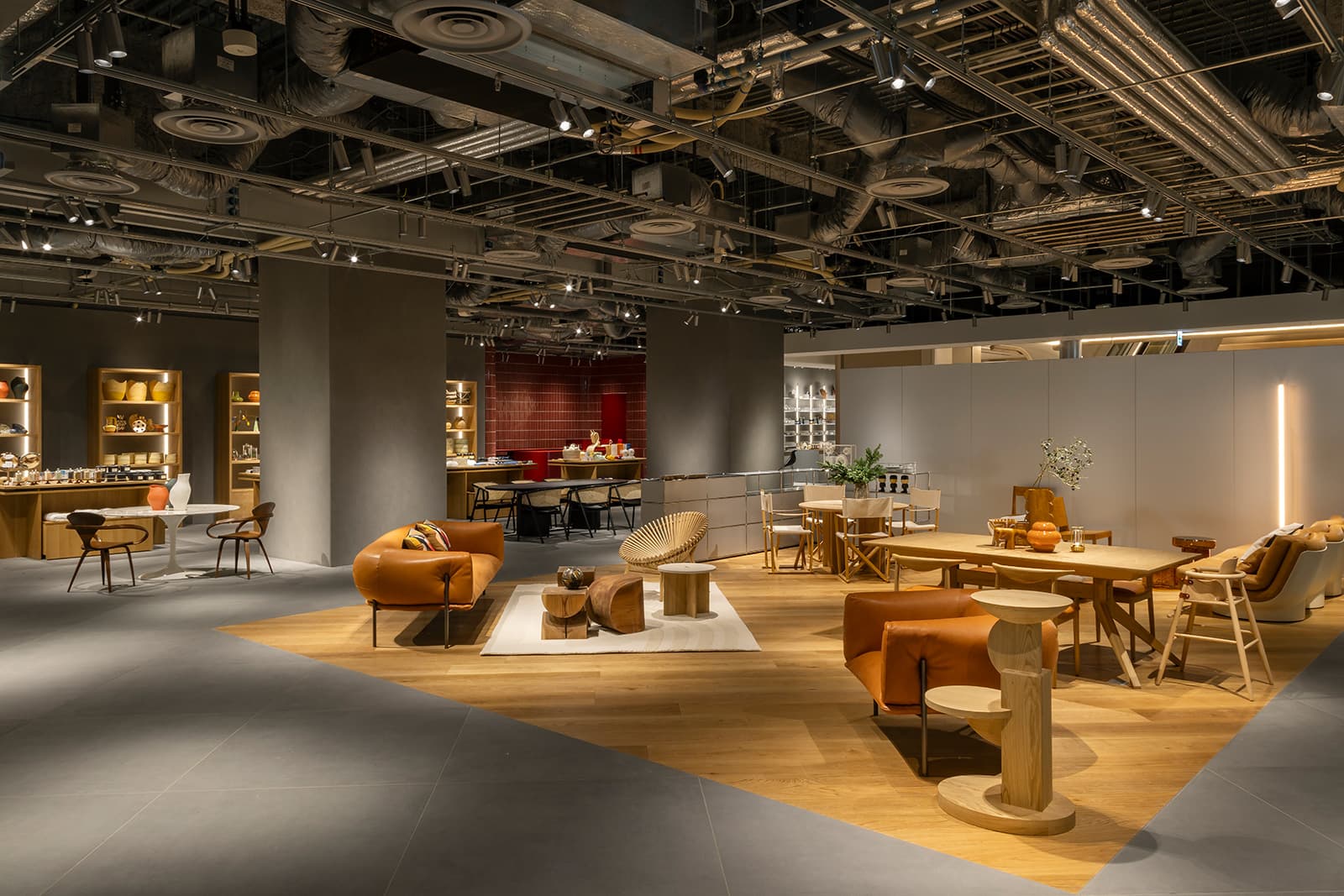
The Conran Shop, a home furnishing shop founded in England, opened The Conran Shop Tokyo at the Azabudai Hills complex in November 2023. The Conran Shop’s seventh and largest location in Japan covers around 1300 square metres and is the first to include a restaurant. The company will celebrate 30 years in Japan in 2024 and having renewed the global brand logo last year, it has also been developing a unique character for each shop, among other initiatives. The spatial design and details of The Conran Shop Tokyo, which has a theme of “the finest daily life”, were based on keywords such as fluid space, robust, bold, energetic, light, clean and balanced.
—— In which part of the space did you use tiles, and why? Out of the various materials available, why did you decide to use tiles?
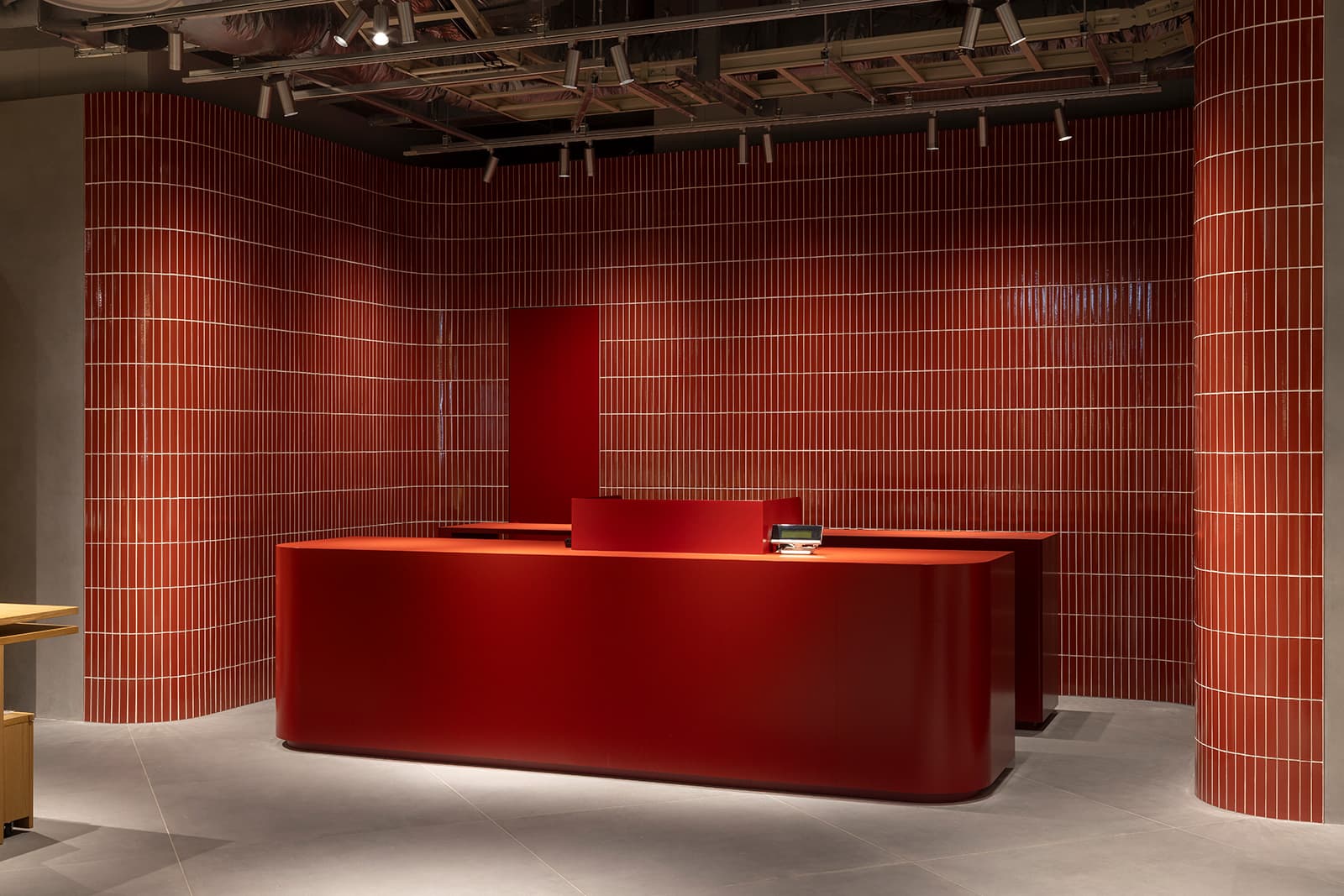
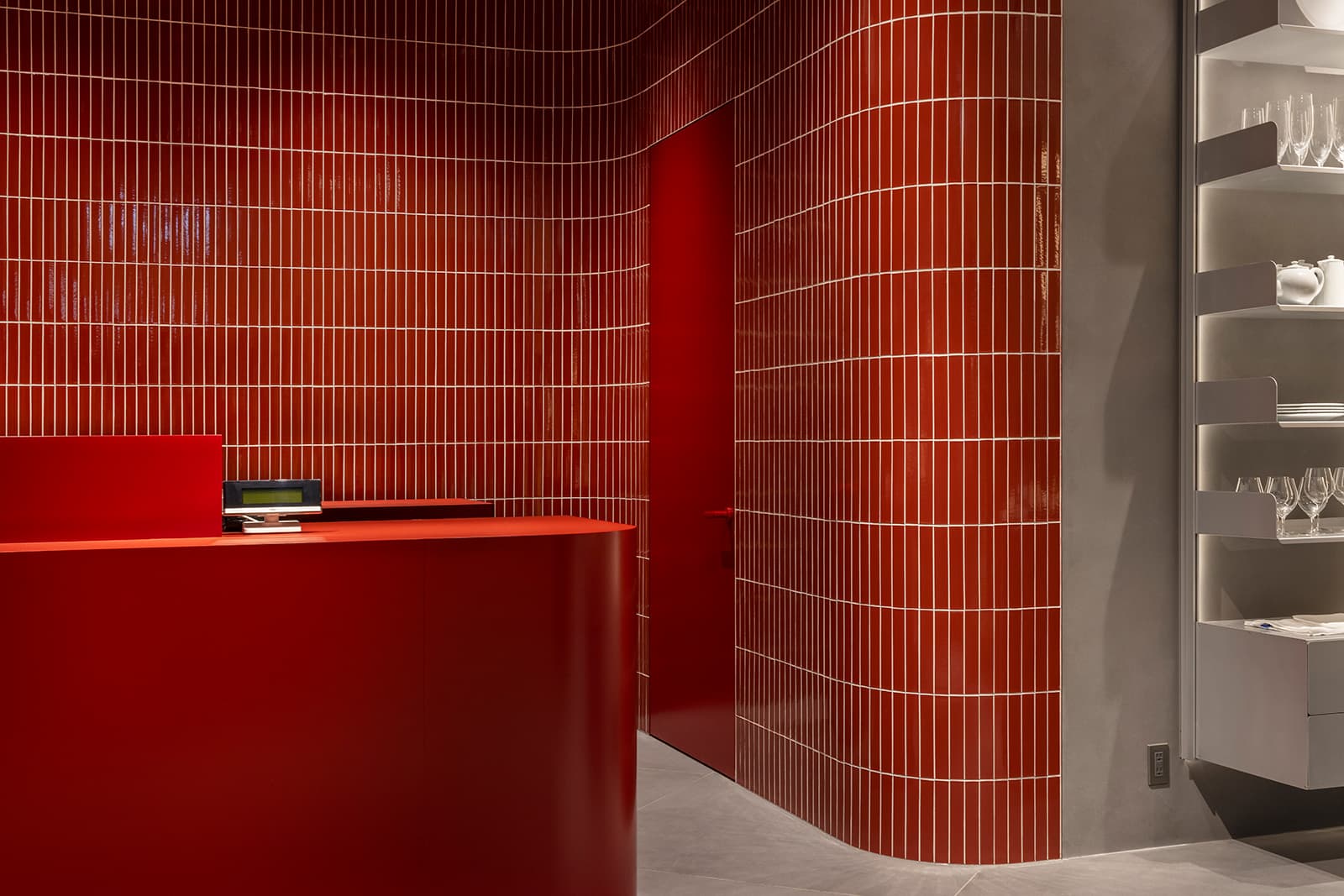
Tiles have been used in one of the shop’s two central reception spaces, which function as both checkouts and places to communicate with customers. They completely cover the walls of the space. Tiles were really well suited to showing the distinctive curved walls of the reception space in a beautiful way. Also, The Conran Shop Tokyo interior is composed of materials, such as plaster and wood, that encapsulate time. While tiles can be considered a standard architectural material, those with colours and forms that have been carefully made by artisans were ideal in this case, given that the shop introduces selected items that are “standard but high quality, everyday but special”.
—— When designing the tiles, what were you most particular about?
Colour, texture and even the colour of the joints.
—— What are your thoughts regarding tiles as materials? Through the production process, did you discover anything new about tiles?
Drawing out the characteristics of the tiles enhanced the appeal of the space.
—— What was it like to produce your own original tiles in Tajimi? Please share your thoughts on the benefits of this process and any other observations you made.
Tiles are a type of pottery product and through the process of kneading clay, forming a shape and firing, each tile develops its own individual variations. That’s one of their appeals. Visiting the places where tiles are manufactured revealed the artisans’ trial-and-error process and the unique value it creates, which is something that can’t be understood from the samples in catalogues and showrooms.