
haku kyoto
Souta Yoriki
2026 | Kyoto City, Kyoto, Japan | Extrusion
—— Please tell us about the design concept for the space. Where in this space did you use the tiles?
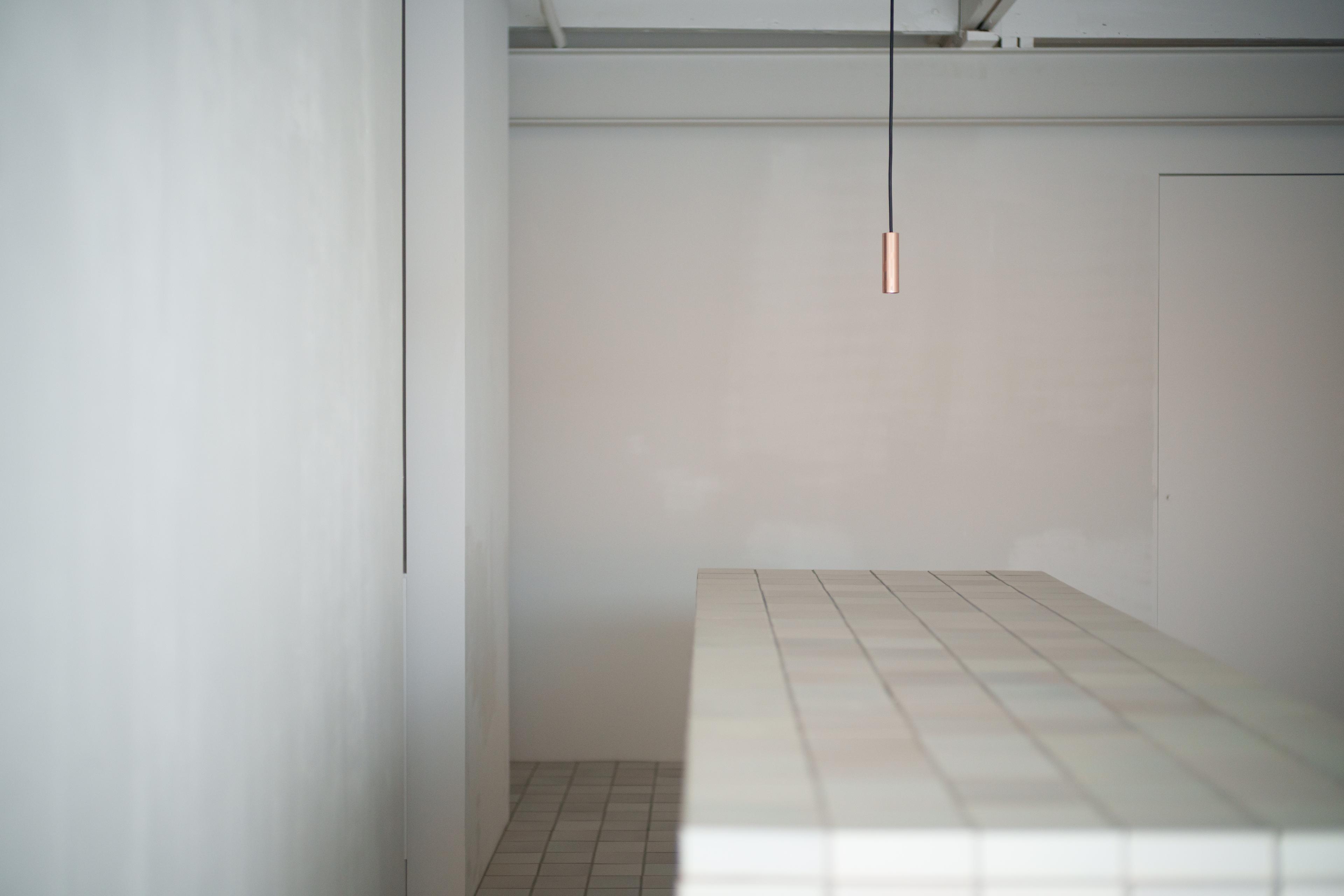
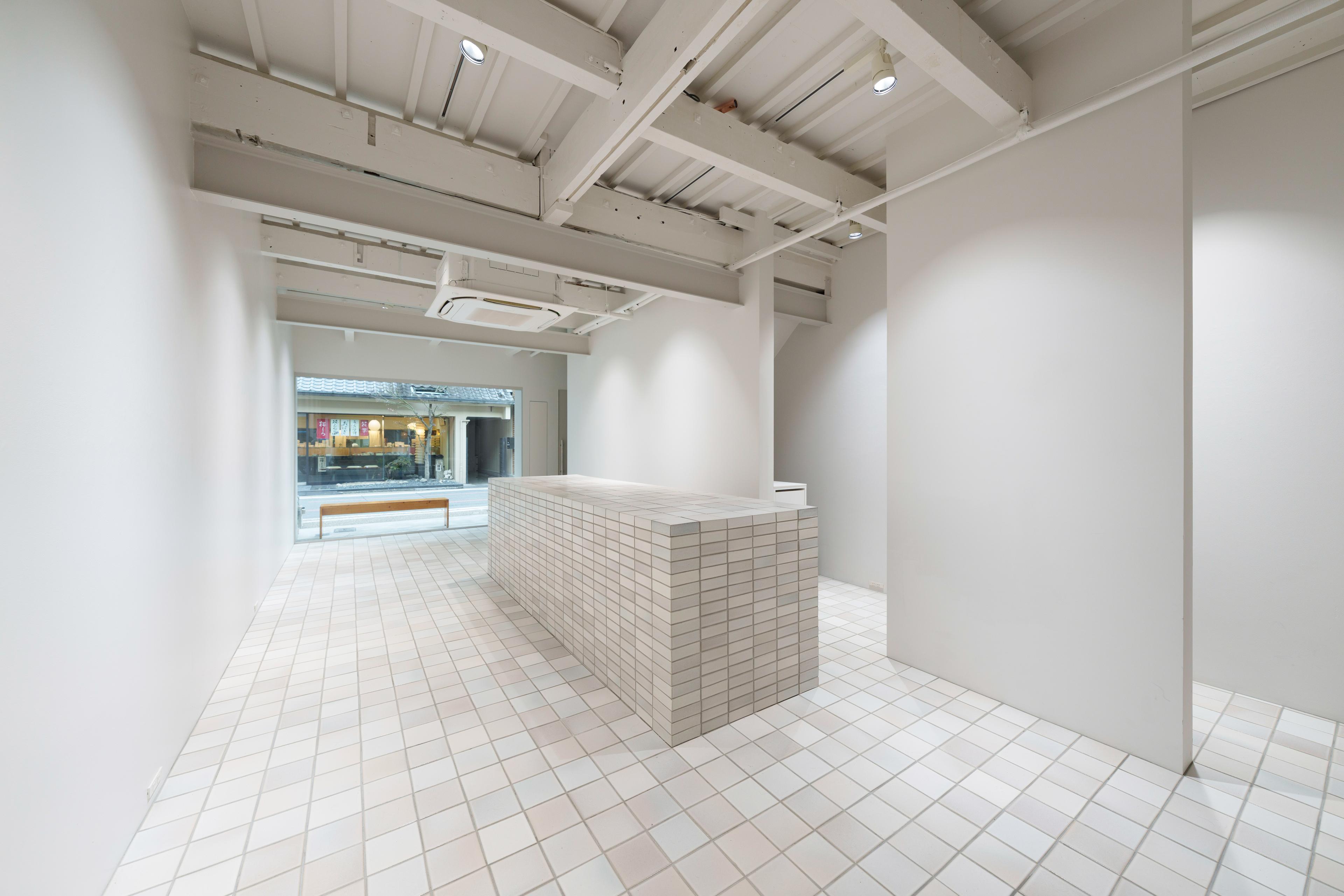
haku kyoto operates a gallery on its first floor and a hair salon on its second. For this project, we were asked to renovate the first floor into a contemporary art exhibition space with a tea stand. The owner wanted aesthetic activities to be experienced in a more everyday setting, rather than in formal venues like museums or art exhibitions. I felt that a sterile space—a so-called "white cube"—would not adequately convey this intent. Therefore, while keeping the space primarily white out of consideration for the exhibits, we adopted tiles by TAJIMI CUSTOM TILES (TCT) for the floor and main counter allowing visitors to feel the material's texture and character.
—— Please tell us about the tiles created for this project. Feel free to share the design concept, what you intended to express through the tiles, the functions you aimed to incorporate, and any specific details you focused on.
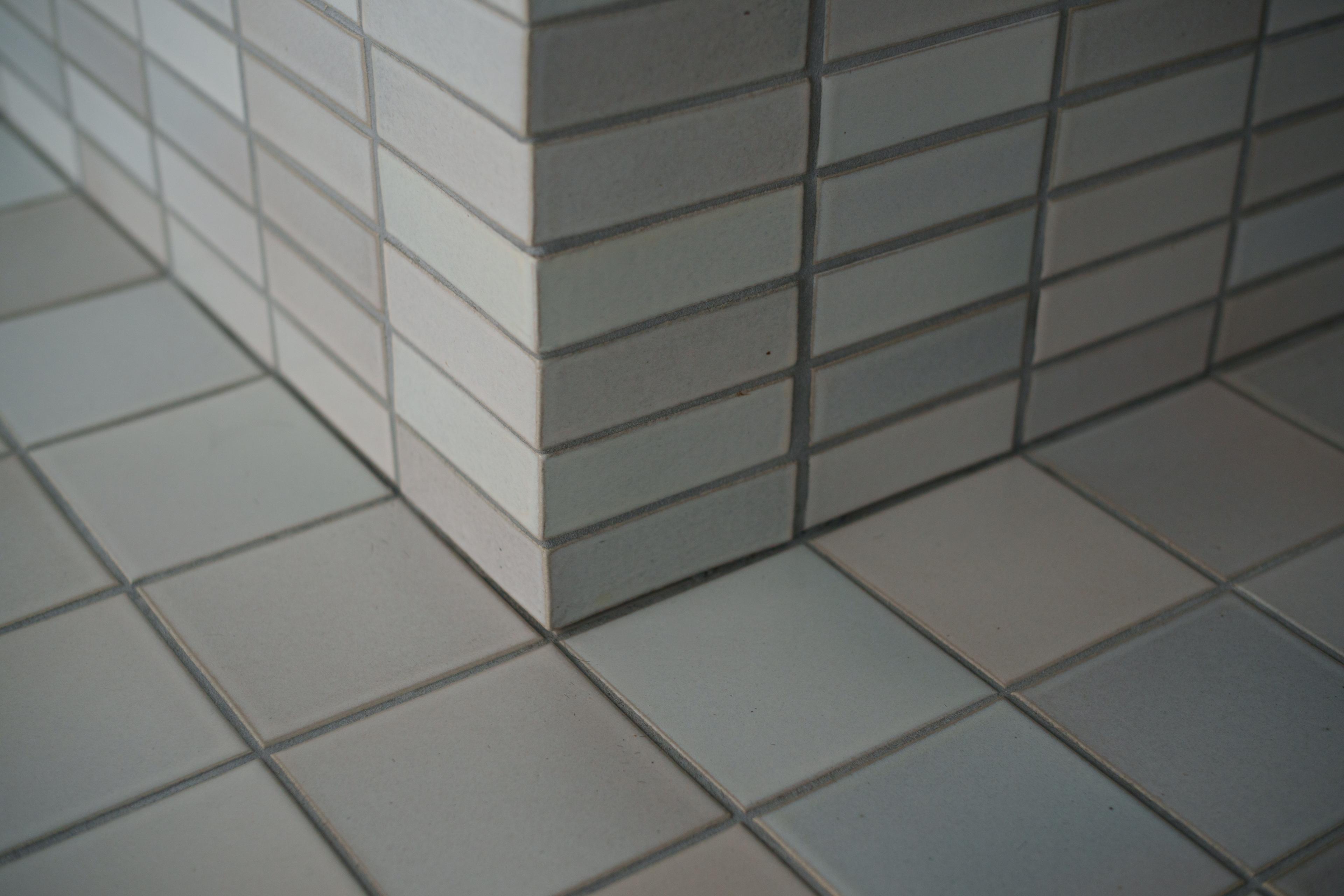
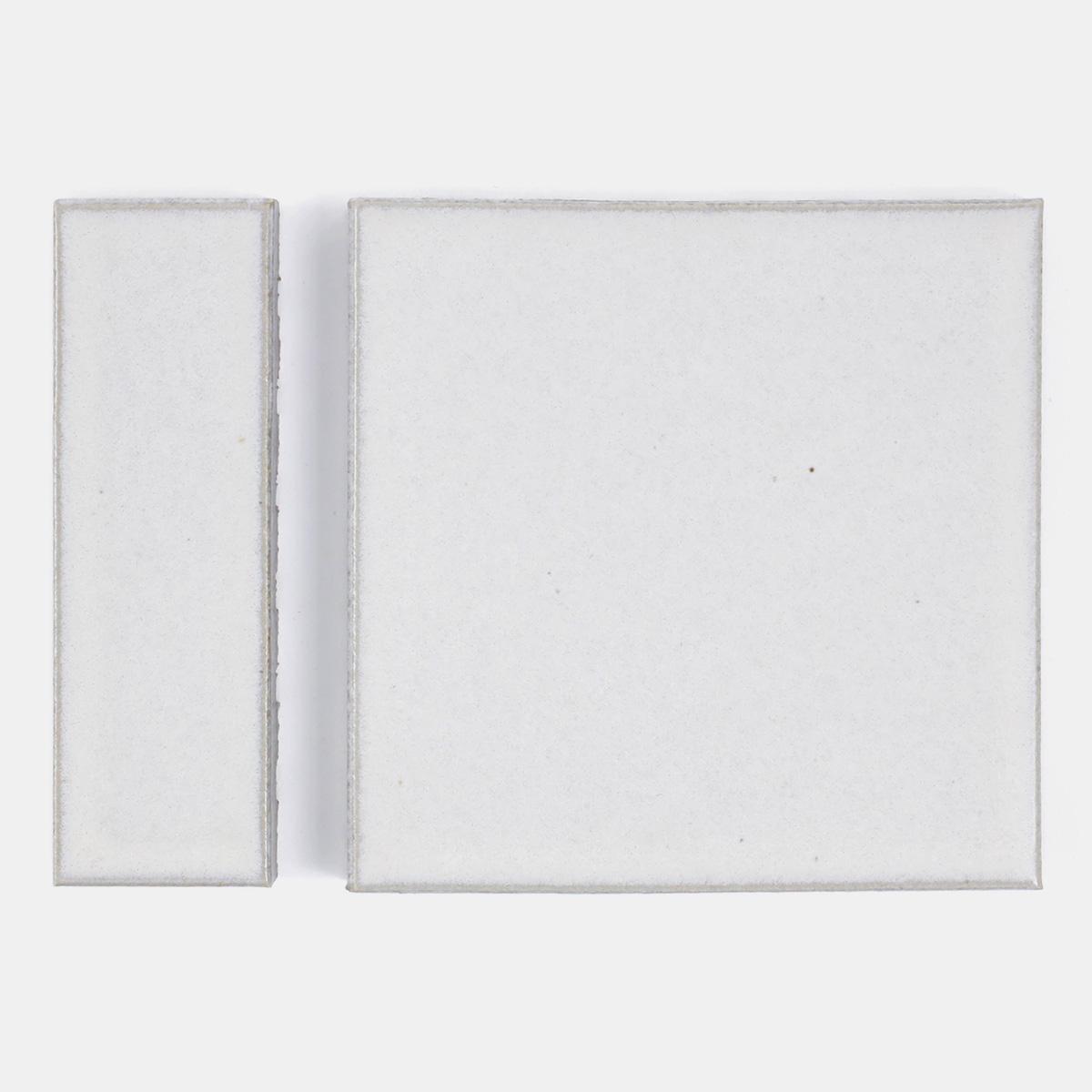
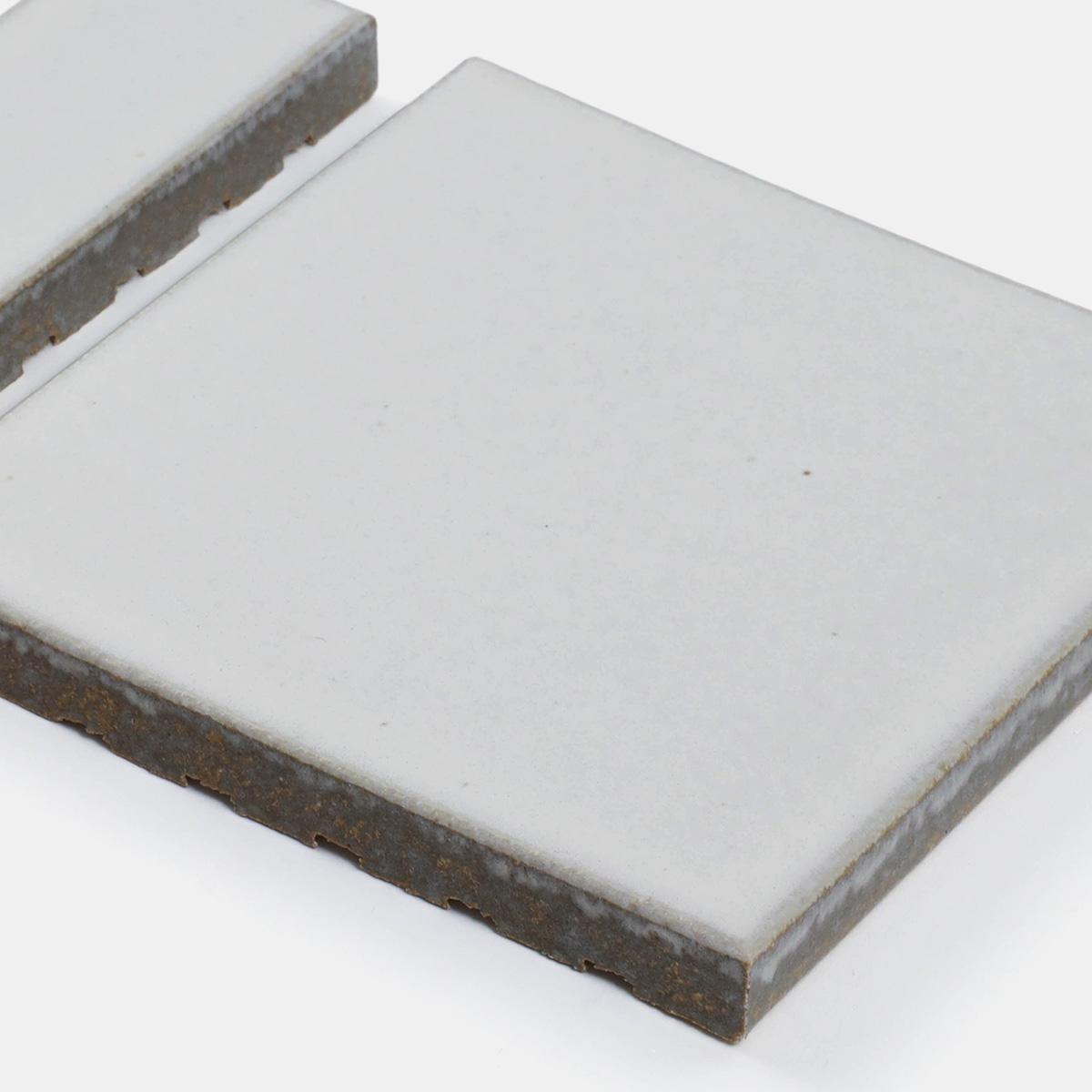
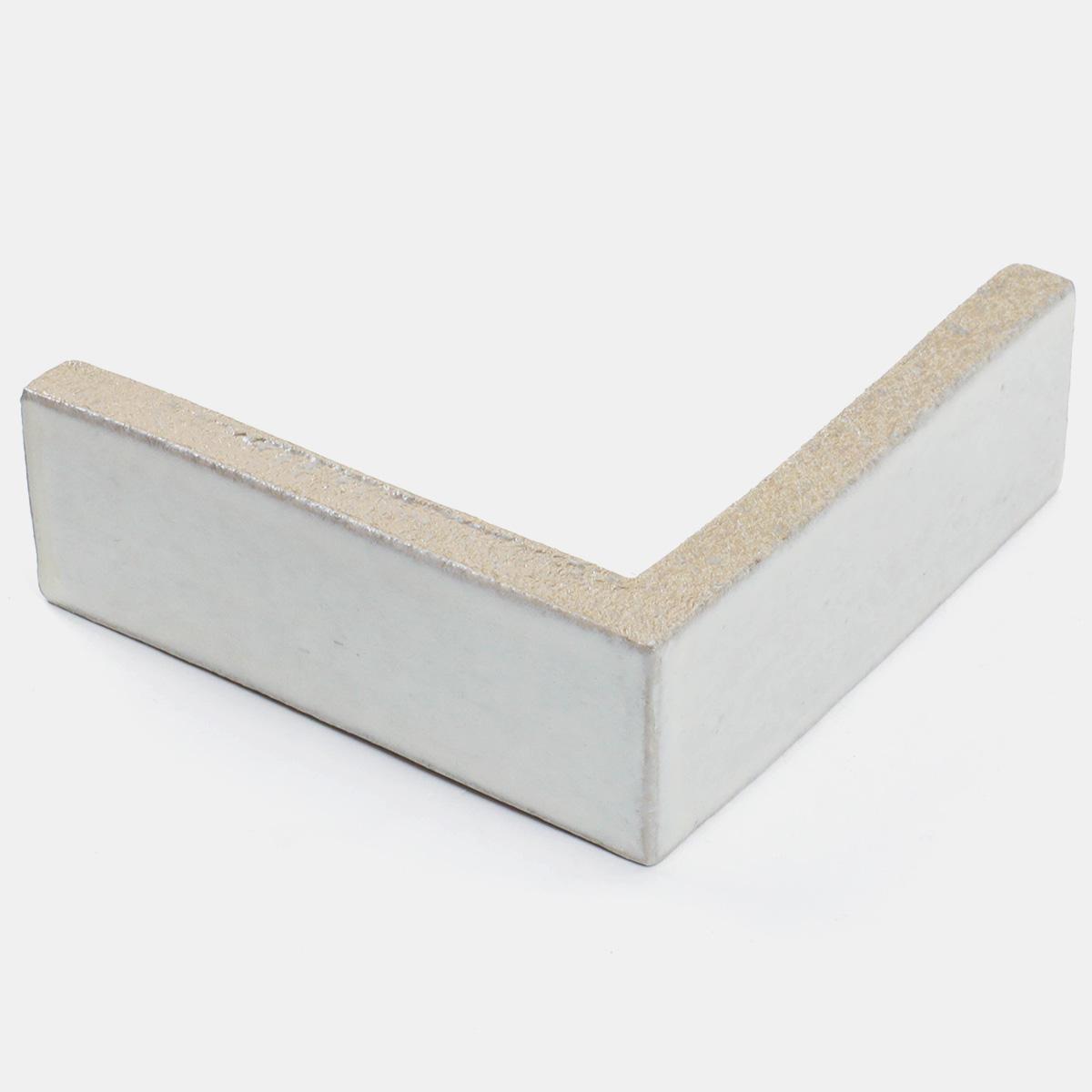
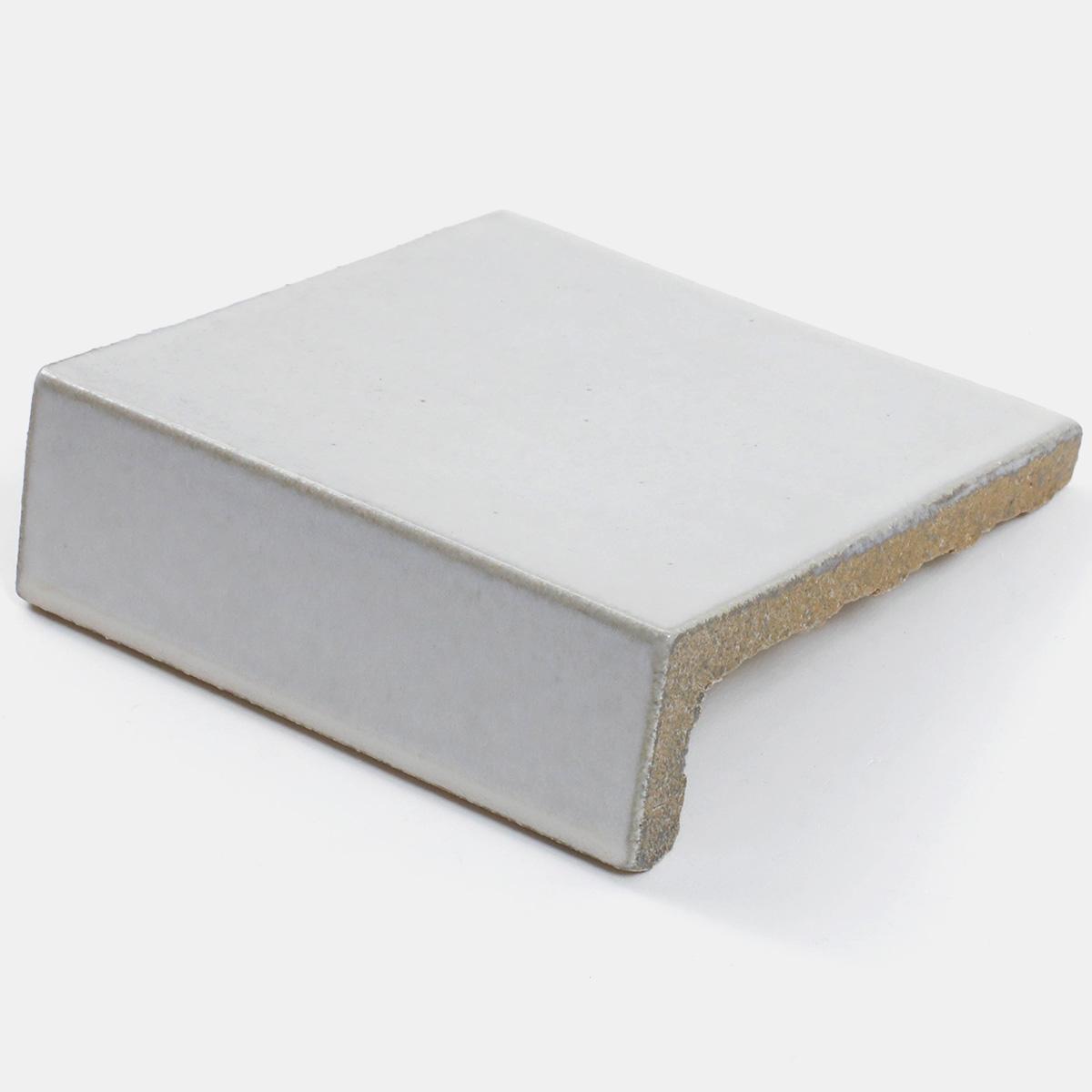
Since we wanted to ensure the white space functioned effectively for exhibitions, we used white tiles. The natural color variations that emerge during the firing process felt like a perfect fit for the expression we aimed to achieve. While tile work typically involves "pasting," we chose the more primitive expression of "stacking" to link the material to the essence of minimal, aesthetic activities. We manufactured custom parts for the corners and sides of the main counter to hide the thin cross-sections of the tiles, intending to create the impression of stacked white blocks.
—— Q4. What kind of image do you have of "tiles" as a material?
I see tiles as a material used worldwide, with diverse expressions developed alongside local regionalities. I am drawn to how they possess both decorative and structural aspects, as well as unique expressions derived from local clay and firing methods. Due to this vast diversity, I believe they are a material well worth exploring.
—— Do you have any personal memories or anecdotes related to tiles?
During a visit to the Chichu Art Museum in Naoshima, I stopped by the room where Monet's works are displayed. I was deeply impressed by the space; while the walls and ceiling were minimal and white, the entire floor was covered in small mosaic tiles. It felt as if Monet's abstract expressions were being extended into the physical space. Looking back, that experience may be linked to the concept of this project.
—— Please share your thoughts about the experience of actually producing the tiles. What do you see as the unique characteristics or strengths of Tajimi as a tile-producing region?
TCT provided custom solutions for expressions that would be difficult with standardized tiles, and I particularly like the glaze variations and the exquisite sense of craftsmanship. Furthermore, by collaborating with local manufacturers to maintain the regional brand while engaging in international designer collaborations and global expansion, TCT provides a very contemporary service. I believe their strength lies in building added value while remaining firmly rooted in tradition.